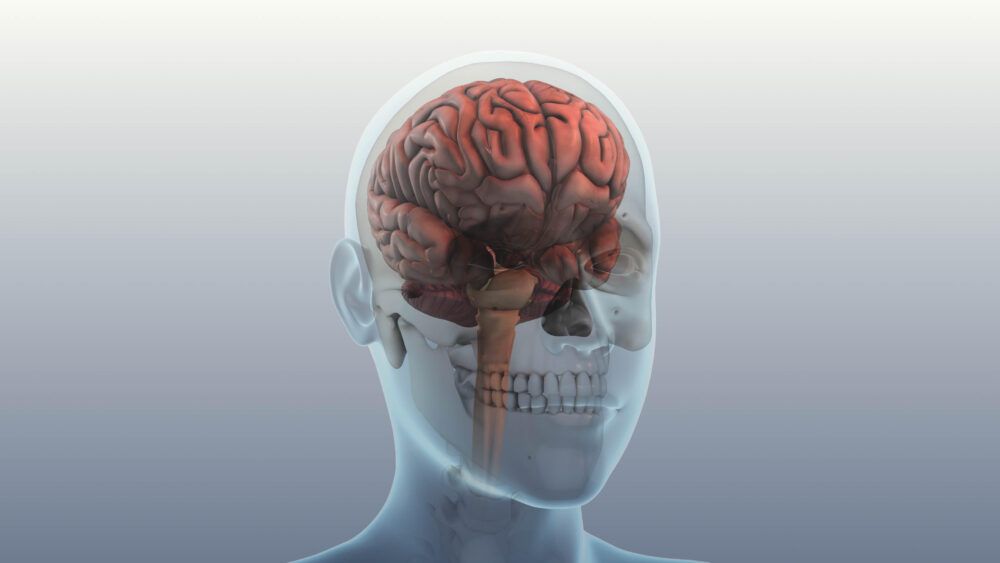
Concussions are serious brain injuries that can occur from a variety of incidents, such as sports injuries, falls, or car accidents. They can lead to a range of symptoms, including headaches, dizziness, confusion, and impaired cognitive function. While recovery can vary from person to person, one common question emerges: Should you drive after experiencing a concussion?
The Risks Associated with Driving Post-Concussion
- Impaired Judgment and Reaction Times: A concussion can affect your decision-making skills and reaction times. This impairment can drastically increase the likelihood of accidents, as you may not be able to respond swiftly to unexpected changes in your environment, such as a pedestrian crossing the street or a sudden stop in front of you.
- Dizziness and Balance Issues: One of the common symptoms following a concussion is dizziness or vertigo. This disorientation makes it unsafe to drive, as it can lead to an inability to maintain control of the vehicle. Imagine making a turn only to feel woozy at that crucial moment; the results could be catastrophic.
- Visual Disturbances: Concussions can also lead to visual disturbances, including blurred vision or trouble focusing. These symptoms could prevent you from properly seeing traffic signals, road signs, or other vehicles, increasing the risk of collisions.
- Increased Sensitivity to Light and Noise: Many concussion sufferers experience heightened sensitivity to light and sound. Driving in bright sunlight or busy urban environments can become overwhelming and distracting, further impeding your ability to drive safely.
- Legal Implications: Should you be involved in an accident while driving with an unresolved concussion, you might also face legal repercussions. Insurance claims could be denied if it is determined that you knowingly operated a vehicle while impaired.
When is it Safe to Drive Again?
The timeline for returning to normal activities, including driving, varies greatly from individual to individual. Typically, medical professionals advise that you refrain from driving for at least 24 hours post-injury and often longer if symptoms persist. Here are some guidelines to follow:
– Consult a concussion specialist: It’s vital to seek advice from a healthcare professional who can accurately assess your recovery and determine when it’s safe for you to return to driving.
– Symptom Monitoring: Continue to monitor your symptoms. If you find that symptoms such as headaches, dizziness, or concentration issues persist, it may be wise to delay driving until you feel completely symptom-free.
– Follow a Graduated Return to Activity Plan: Many healthcare providers recommend a structured plan for returning to activities, including driving. Listen to their recommendations and progress gradually.
Conclusion
Driving after a concussion can pose serious risks not only to your safety but also to the safety of others on the road. The best course of action post-injury is to prioritize your recovery and heed the advice of medical professionals. Your health—and the health of everyone around you—should always come first. Wait until you’re symptom-free and receive medical clearance before getting behind the wheel again. Remember, patience is key in your healing journey.