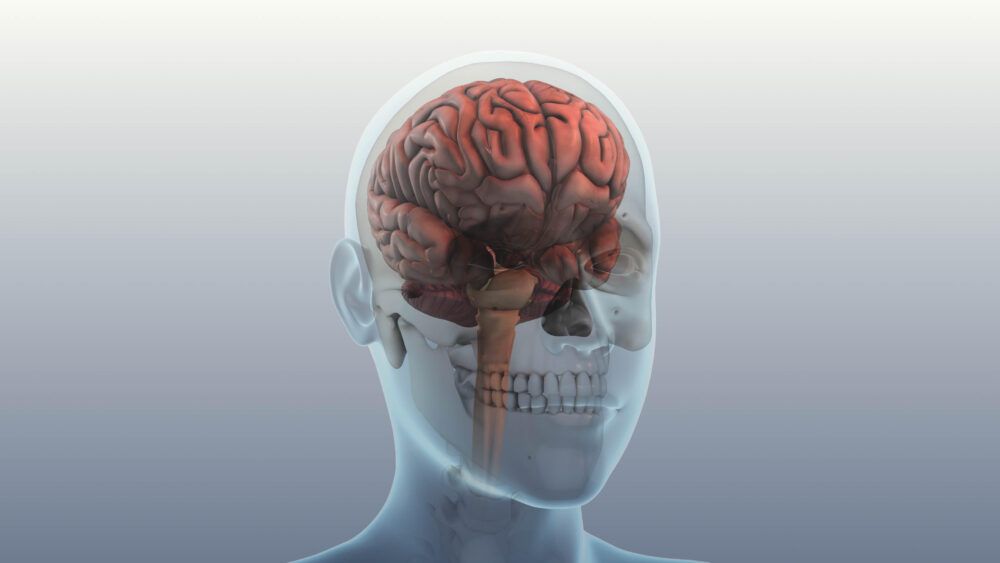
The start of a new year is a perfect opportunity to refocus and prioritize your recovery journey after a concussion. Setting realistic and meaningful goals can be a powerful tool in regaining your health and improving your quality of life. Whether you are just beginning your recovery or continuing to make progress, having a clear plan can help you stay motivated and track your improvements over time.
Why Goal Setting is Important for Concussion Recovery
Recovering from a concussion often requires a blend of physical, cognitive, and emotional healing. Without a roadmap, it’s easy to feel lost or overwhelmed by the process. Setting recovery goals allows you to break down your journey into manageable steps, giving you a sense of control and purpose. Goals also make it easier to identify milestones, celebrate progress, and adjust your approach if needed.
Tips for Effective Goal Setting
Here are a few strategies to help you set and achieve your recovery goals:
- Make Your Goals SMART
SMART stands for Specific, Measurable, Achievable, Relevant, and Time-bound. Instead of saying, “I want to feel better,” set a goal like, “I will take two 10-minute walks each day for the next two weeks to improve my physical endurance.” - Focus on Small Steps
Concussion recovery can be unpredictable, so it’s important to set small, achievable goals that build on each other. For example, if screen time triggers symptoms, start by limiting it to short intervals and gradually increase as your tolerance improves. - Prioritize Rest and Recovery
A big part of concussion recovery is giving your brain the time and rest it needs to heal. Goals like creating a consistent sleep schedule or taking scheduled breaks from stimulating activities can significantly aid your progress. - Track Your Progress
Use a journal, app, or chart to monitor your symptoms and achievements. This can help you and your healthcare provider identify patterns and areas for improvement. - Celebrate Wins, Big and Small
Every step forward, no matter how small, is worth celebrating. Recognizing your progress keeps you motivated and reminds you of how far you’ve come.
Start the Year With Intentional Recovery
This January, take a moment to reflect on where you are in your recovery journey and where you want to go. Write down a few key goals and share them with your support team or healthcare provider. With a plan in place, 2024 can be the year you take meaningful strides toward feeling like yourself again.
What’s Ahead This Year
Throughout 2024, we’ll be diving into a variety of topics to support your recovery and brain health. From understanding post-concussion syndrome in February to the role of nutrition in April and tips for safely returning to school or sports in the fall, we’re here to guide you every step of the way. Stay tuned for expert insights, actionable advice, and encouragement as you continue your recovery journey. Together, we’ll make this year one of progress and healing.
And here are the topics it gave me for the rest of the year:
2. February: “Love Your Brain: Understanding Post-Concussion Syndrome (PCS)”
- Insights into PCS, its symptoms, and treatment options.
- Encouraging self-care and support for loved ones during recovery.
3. March: “Spring Into Action: Returning to Physical Activity Safely After a Concussion”
- Guidelines for resuming exercise after a concussion.
- The role of physical therapy in recovery.
4. April: “Brain Health Awareness: The Role of Nutrition in Concussion Recovery”
- Foods that support brain healing and reduce inflammation.
- How hydration impacts recovery.
5. May: “Mental Health Matters: Managing Anxiety and Depression Post-Concussion”
- Addressing emotional challenges after a concussion.
- Tips for maintaining mental well-being during recovery.
6. June: “Understanding Cognitive Rehabilitation: Boosting Focus and Memory After a Concussion”
- How cognitive therapy aids recovery.
- Brain exercises to improve memory and attention.
7. July: “Summertime Safety: Preventing Concussions in Sports and Outdoor Activities”
- Tips for avoiding concussions during summer sports and activities.
- Importance of proper equipment and safe practices.
8. August: “Back-to-School: Helping Students Thrive After a Concussion”
- Advice for managing a return to school.
- How teachers and parents can support students recovering from a concussion.
9. September: “Sleep and Concussions: How Rest Supports Brain Recovery”
- The science behind sleep and brain healing.
- Strategies to improve sleep quality during recovery.
10. October: “Breaking Myths: Common Misconceptions About Concussions”
- Debunking myths and sharing facts about concussions.
- Encouraging proactive treatment and awareness.
11. November: “Gratitude and Recovery: Finding Positivity During Challenging Times”
- The role of mindset in concussion recovery.
- Tips for practicing gratitude and staying motivated.
12. December: “Concussion Care Year in Review: Advances and Insights in Treatment”
- Highlighting significant research or treatment breakthroughs in the year.
- Reflecting on progress and setting intentions for the upcoming year.