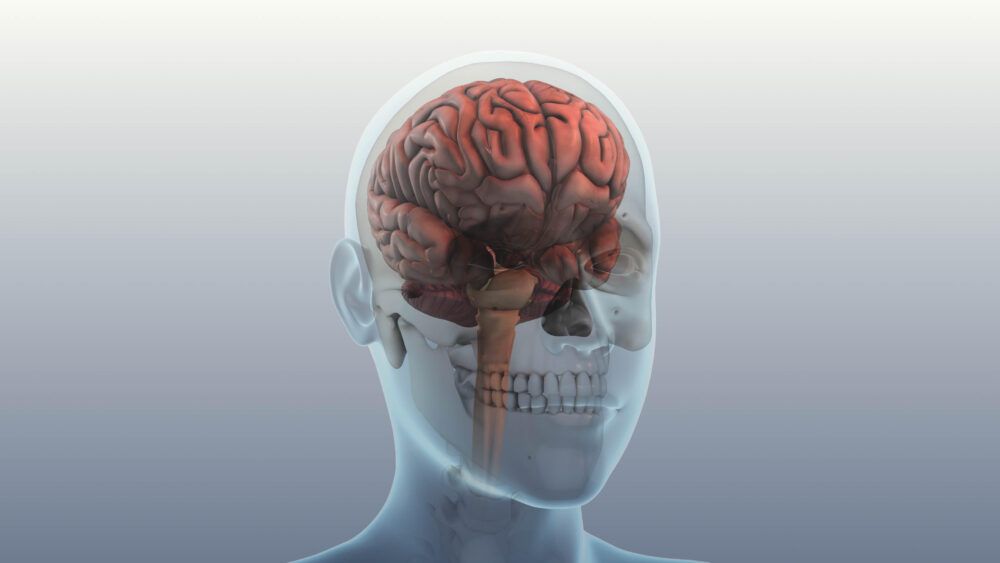
February is a time for love, and while many focus on relationships, we want to take a moment to encourage you to love and care for one of your most vital organs—your brain. This month, we’re highlighting Post-Concussion Syndrome (PCS), a condition that affects many individuals following a concussion. Understanding PCS, its symptoms, and treatment options is essential for promoting recovery and supporting loved ones through their healing journey.
What is Post-Concussion Syndrome?
Post-Concussion Syndrome is a complex disorder in which symptoms persist for weeks or even months after the initial concussion. While most people recover from a mild traumatic brain injury (TBI) within a few weeks, some continue to experience lingering effects that disrupt their daily lives. PCS can affect individuals of all ages and can develop even after a seemingly mild head injury.
Recognizing the Symptoms of PCS
PCS symptoms vary from person to person but often include:
- Cognitive symptoms: Difficulty concentrating, memory issues, and brain fog.
- Physical symptoms: Headaches, dizziness, nausea, sensitivity to light and noise, and fatigue.
- Emotional symptoms: Irritability, anxiety, depression, and mood swings.
- Sleep disturbances: Insomnia or excessive sleepiness.
These symptoms can impact work, school, and social activities, making daily tasks feel overwhelming. Early recognition and management of PCS are key to a successful recovery.
Treatment and Recovery
There is no single treatment for PCS, but a multidisciplinary approach can significantly improve outcomes. Some key treatment options include:
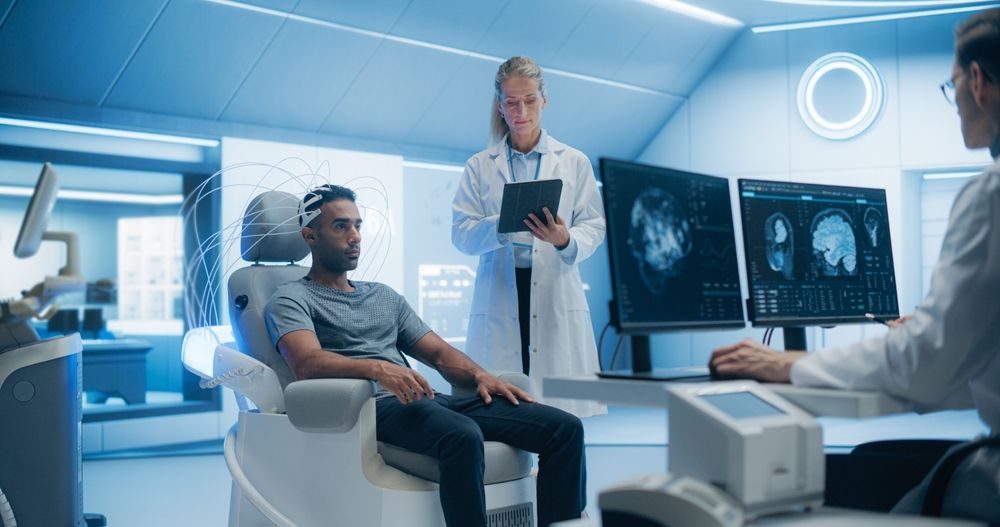
- Medical evaluation: A healthcare provider, such as a neuropsychologist, can assess symptoms and guide treatment plans.
- Cognitive rehabilitation: Working with a neuropsychologist or therapist to develop strategies for memory, attention, and processing speed.
- Vestibular therapy: Beneficial for those experiencing dizziness and balance issues.
- Physical therapy: Helps with headaches, neck pain, and overall mobility.
- Lifestyle adjustments: Prioritizing rest, reducing screen time, staying hydrated, and maintaining a healthy diet.
- Mental health support: Therapy and counseling can help address anxiety, depression, and stress related to PCS.
Supporting Loved Ones with PCS
If someone you care about is dealing with PCS, your support can make a world of difference. Here are some ways to help:
- Be patient: Recovery takes time, and symptoms can fluctuate daily.
- Encourage rest: Remind them to take breaks and avoid overstimulation.
- Assist with daily tasks: Lighten their load by helping with errands, meal preparation, or household chores.
- Promote professional help: Encourage them to seek medical and psychological support.
- Stay informed: Learn about PCS to better understand what they’re going through.
Love Your Brain This February
Healing from PCS requires time, care, and the right support system. Whether you’re recovering from a concussion or helping a loved one through the process, prioritizing brain health is a form of self-love that can lead to long-term well-being. If you or someone you know is struggling with PCS, consider reaching out to a neuropsychology clinic for professional guidance.
Let’s spread awareness and compassion this February—because loving your brain is just as important as loving your heart.