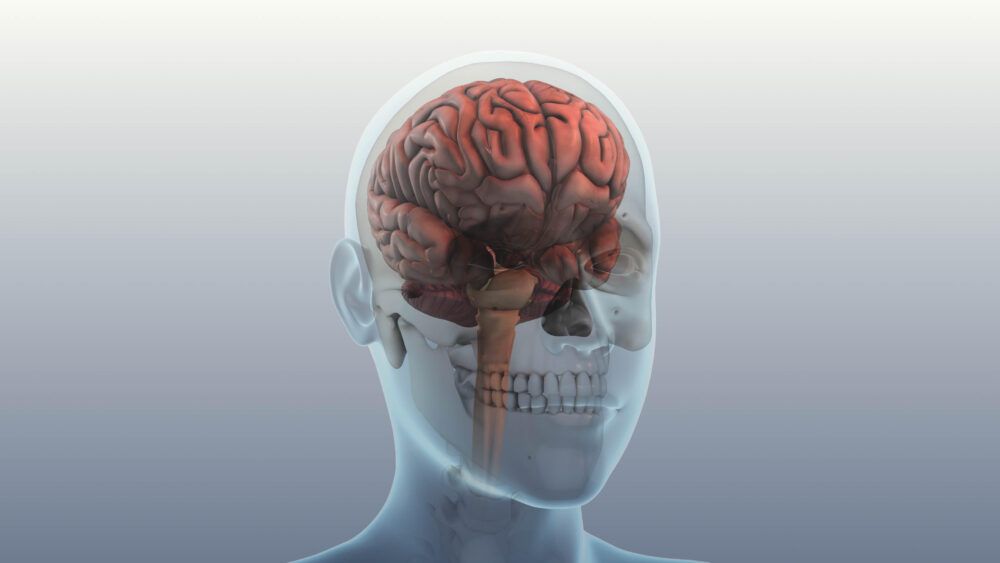
As the days grow longer and the weather warms, many people feel the urge to get moving again. However, if you’re recovering from a concussion, it’s crucial to ease back into physical activity with caution. This March, we’re focusing on safe guidelines for resuming exercise after a concussion and the important role physical therapy plays in the recovery process.
When is it Safe to Resume Exercise?
After a concussion, rest is essential in the early stages of recovery. However, complete inactivity for too long can slow the healing process. Gradually reintroducing physical activity under medical supervision can be beneficial. Here are key guidelines to follow:
- Start slow: Light activities such as walking or stretching can help ease back into movement without overexertion.
- Monitor symptoms: If dizziness, headaches, or fatigue worsen, scale back activity and allow for additional recovery time.
- Follow a stepwise progression: Increase activity levels gradually, moving from light aerobic exercise to more complex and physically demanding tasks as tolerated.
- Avoid high-impact sports: Activities with a risk of head injury, such as contact sports, should only be resumed with medical clearance.
- Listen to your body: Recovery is different for everyone, and pushing too hard too soon can lead to setbacks.
The Role of Physical Therapy in Recovery
Physical therapy is an integral part of concussion management, helping individuals regain balance, coordination, and strength while minimizing symptoms. Some ways a physical therapist can assist include:
- Vestibular therapy: Addresses dizziness, balance problems, and motion sensitivity.
- Exertion therapy: Gradually increases physical activity tolerance without triggering symptoms.
- Neck and posture therapy: Treats muscle tension and pain that may contribute to headaches and discomfort.
- Education and guidance: Provides strategies for safely reintroducing exercise and preventing re-injury.
Supporting a Healthy Recovery
Returning to physical activity after a concussion requires patience and a structured approach. If you or a loved one is recovering from a concussion, consider consulting a neuropsychologist or physical therapist to develop a personalized plan. Proper guidance can help ensure a safe and effective transition back to an active lifestyle.
This March, as we embrace the energy of spring, let’s also embrace a mindful approach to recovery—taking the necessary steps to heal while staying active and engaged in the things we love.