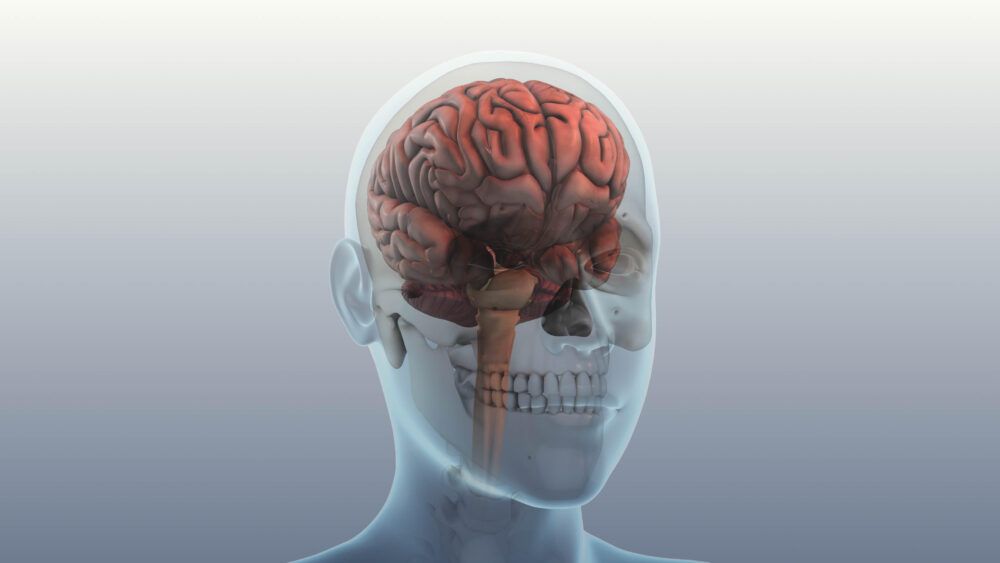
Recovery from a concussion is often described in terms of headaches, brain fog, or dizziness—but what’s less visible can sometimes be even more distressing. For many individuals, the emotional aftermath of a concussion is marked by increased anxiety, low mood, irritability, and a frustrating sense of emotional instability. May is Mental Health Awareness Month, making it the perfect time to explore how we can better recognize and manage the mental health challenges that follow a brain injury.
Emotional Fallout After a Concussion
Concussions disrupt more than neurons—they interrupt your sense of self. It’s not uncommon for people recovering from a mild traumatic brain injury (mTBI) to feel unlike themselves. You might notice you’re more easily overwhelmed, unusually tearful, or struggling to concentrate in ways that trigger anxiety. Sleep can become fragmented, and motivation may wane. These symptoms often create a feedback loop: the more they interfere with daily life, the more hopeless or anxious you may feel.
There’s also the reality that concussion symptoms are often invisible to others. Loved ones may expect you to “be back to normal” within a week or two, not realizing that recovery can stretch out over weeks or even months. That gap between how you look and how you feel can create a powerful sense of isolation and invalidate your experience. At NeuroPro, we understand that a concussion is not just a physical injury—it’s an emotional one, too.
Understanding the Link Between Brain Injury and Mental Health
There’s a strong physiological basis for the emotional symptoms that often follow mTBI. The injury can disrupt brain networks involved in emotional regulation, impulse control, and executive functioning. Sleep disturbances and hormonal dysregulation further compound the issue. Additionally, if you had a history of anxiety or depression prior to your injury, you may find that these conditions are magnified in the aftermath.
But even in individuals with no previous mental health concerns, a concussion can mark the beginning of intense emotional distress. That’s not a sign of weakness—it’s a reflection of how deeply the brain governs not just thought, but feeling.
Tips for Managing Mental Health During Recovery
If you’re recovering from a concussion and struggling emotionally, here are a few strategies to support your mental well-being:
1. Validate What You’re Feeling
Acknowledge that emotional changes are common post-concussion. You’re not imagining it, and you’re not alone.
2. Create a Routine
Simple structure can reduce overwhelm. Wake up and go to bed at the same time each day, schedule breaks between tasks, and build in quiet time for rest and recovery.
3. Reduce Sensory Overload
Limit exposure to screens, loud environments, and multitasking. Sensory overload often worsens anxiety and irritability after brain injury.
4. Stay Connected
Isolation can amplify depression. Let someone close to you know what you’re experiencing. Even short daily check-ins with a friend, partner, or therapist can make a difference.
5. Practice Gentle Movement
As your healthcare provider allows, light exercise—like a slow walk outside—can help regulate mood and reduce stress hormones.
6. Seek Professional Help
Neuropsychologists and therapists trained in brain injury can tailor support that fits your stage of recovery. You don’t have to wait until things get worse to ask for help.
We’re Here When You Need Support
At NeuroPro Concussion Clinic, we take a whole-person approach to brain injury recovery. That includes helping you navigate the emotional terrain of healing. Whether you’re newly injured or still experiencing emotional symptoms months later, our team is here to offer thoughtful, personalized care grounded in both neuroscience and compassion.
Recovery is not just about returning to who you were before—it’s about honoring the complexity of healing, one layer at a time. This May, let’s remember that mental health matters—especially after a concussion.