
As temperatures drop and days shorten, winter invites a shift in activity patterns. Ski slopes beckon, ice forms on neighborhood ponds, and everyday tasks like shoveling snow come with hidden risks. While winter sports and seasonal chores deliver joy and productivity, they also elevate the chances of falls, collisions, and head impacts that can lead to concussions. At NeuroPro Concussion Clinic, we see the aftermath of these incidents every year, from minor bumps to complex mild traumatic brain injuries (mTBIs). Concussion risk is not confined to contact sports — it’s a year-round concern that requires awareness, preparation, and purposeful action.
Winter hazards often seem obvious: ice on sidewalks, faster traffic during holiday travel, crowded ski trails. Yet the link between environmental factors and brain injury risk is frequently underestimated. Understanding both the mechanisms of injury and practical prevention strategies empowers individuals, families, and communities to enjoy the season safely.
The Cold Weather Concussion Landscape
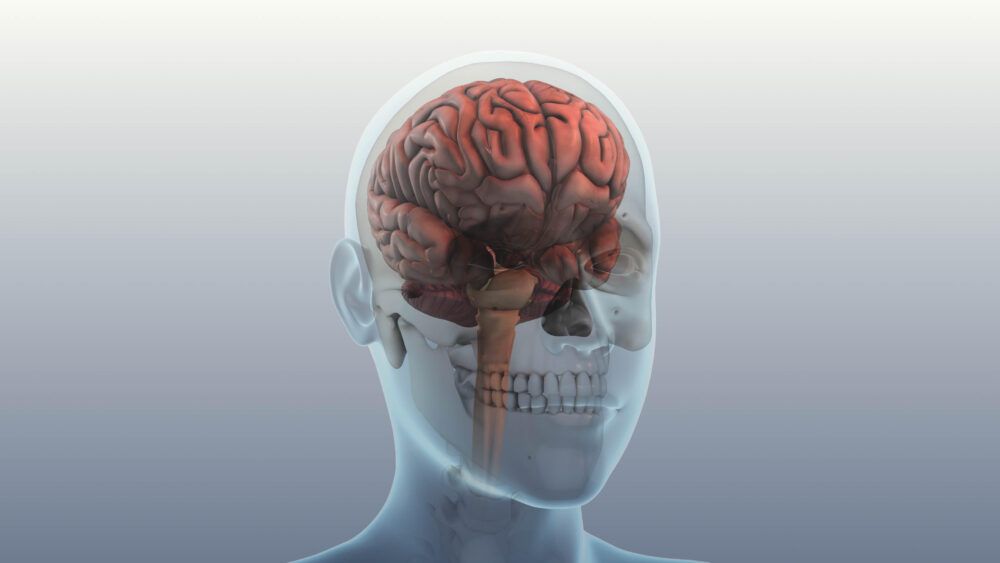
Concussions occur when external forces cause the brain to move violently within the skull. This movement disrupts neural pathways, alters chemical signaling, and produces a cascade of physical, cognitive, and emotional symptoms. While helmets are essential protective gear for many winter sports, they are not a catch-all solution; they reduce the peak force of impacts but cannot eliminate internal brain motion altogether. Nor do they protect against falls off gear or collisions with uneven terrain, steps, or slick parking lots. Recognizing this broad risk profile is the first step toward meaningful prevention.
Ice and snow change the rules of engagement. Walkways become unpredictable, and ordinary slips can produce unexpected consequences. Adults shoveling driveways can accelerate their fall, carrying momentum into an unprotected head strike on concrete. Children playing on icy patches may careen unpredictably, catching edges and hitting unforgiving ground. The mechanisms are varied, but the result — a concussion — shares common features: headache, dizziness, visual disturbances, mood changes, and cognitive fog.
Prevention Starts at Home
For many, winter safety begins with preparation. At the individual level, consider these strategies:
- Environment Audit: Before stepping outside, assess your property. Spread ice melt or sand on high-traffic walkways and steps. Keep pathways clear of snow to reduce surprise slips.
- Footwear Matters: Choose shoes or boots with non-slip soles and adequate ankle support. Even the most cautious walker can falter on unexpected ice; proper traction minimizes that risk.
- Pause During Shoveling: Shoveling snow is strenuous and often done quickly. Take frequent breaks, use ergonomic tools, and consider smaller, more frequent shoveling sessions to reduce fatigue and loss of coordination, both of which increase fall risk.
- Protect Your Head: For winter sports like skiing, snowboarding, or sledding, helmets specifically designed for impact mitigation are essential. Ensure a proper fit and that the helmet meets relevant safety standards.
- Warm-Up Before Play: Just as athletes warm up before practice, casual winter activity benefits from light stretching and movement to promote balance and flexibility. Cold muscles and joints are more susceptible to injury.
- Supervised Play: When children are playing on snowbanks or ice, supervision isn’t just about watching — it’s about anticipating risk. Redirect play away from roads, driveways, and bodies of water that may have thin ice.
Beyond Helmets: A Culture of Awareness
Equipment is only part of the safety equation. Education and situational awareness profoundly affect outcomes. Understand that:
- A concussion can occur without loss of consciousness. Many people wrongly believe that a concussion always causes someone to “black out.” Symptoms can be subtle and delayed. Headache, nausea, irritability, difficulty concentrating, or balance problems in the hours or days following a fall should raise concern.
- Environmental context matters. A fall on a path that appeared safe may hide black ice. Unseen hazards like tree wells, uneven pavement beneath snow, or hidden curbs increase concussion risk even at slower speeds.
- Winter sports vary in risk. Sledding in a controlled environment with a gentle grade and soft landing area carries less risk than uncontrolled runs near obstacles or traffic. Choose locations with safety in mind.
Parents and caregivers can foster safety by modeling cautious behavior and integrating safety planning into winter traditions. Talking about risk, lining gear with reflective materials for low-light conditions, and ensuring supervised areas for play make winter festive and safer.
Responding When Prevention Isn’t Enough
Even with precautions, concussions can happen. Immediate and appropriate response improves outcomes and avoids secondary injury. If a fall or impact occurs:
- Stop activity: Continuing to ski, play, or even walk through pain and disorientation compounds brain stress and can delay recovery.
- Assess symptoms: Look for confusion, memory issues, headache, sensitivity to light or noise, dizziness, and emotional changes. No symptom is too minor to mention.
- Seek professional evaluation: Early assessment by clinicians experienced in concussion care allows for tailored guidance and recovery planning.
- Avoid alcohol and medications that mask symptoms: Both can interfere with symptom monitoring and recovery.
Winter’s joys don’t need to be compromised by fear of injury. Thoughtful preparation, risk awareness, and skilled clinical support make it possible to embrace seasonal activities with confidence. If you have concerns about a fall or potential concussion, reach out to NeuroPro Concussion Clinic — expert guidance and recovery support are available year-round.