
As the calendar turns toward year’s end, it’s useful to reflect on what we’ve learned and where concussion care is heading. 2025 brought meaningful progress across clinical practice, research insights, and public awareness. This isn’t a simple recap of headlines, but rather a synthesis of themes that will shape how we understand, prevent, and treat brain injury in the year ahead.
Clinical Advances and Evidence Integration
Across the clinical landscape, one of the most significant shifts has been the integration of multidisciplinary care models. Concussion no longer sits squarely within a single specialty. Instead, teams of neurologists, neuropsychologists, physical therapists, ophthalmologists, and mental health professionals collaborate to address the full spectrum of post-injury challenges. This approach mirrors emerging evidence showing that outcomes improve when cognitive, physical, and emotional domains are treated in concert rather than isolation.
Neuropsychological assessment tools have evolved, incorporating more nuanced measures of cognitive processing speed, executive function, and emotional regulation. These refinements allow clinicians to detect subtle changes that traditional assessments might miss, leading to earlier intervention and more personalized rehabilitation plans.
Guideline Refinements
National and international concussion guidelines continued to be updated in 2025, emphasizing individualized, symptom-driven management. One recurring theme is the move away from blanket rest toward targeted “activity sequencing” — beginning with relative rest, followed by graded reintroduction of cognitive and physical tasks under clinical supervision. This strategy reflects a deeper understanding that both underactivity and overexertion can prolong recovery.
There’s also been renewed focus on visual and vestibular assessments as routine components of concussion evaluation. Persistent dizziness, balance problems, and visual disturbances are among the most common lingering symptoms, and addressing them early leads to measurable improvements in recovery trajectories.
Technology and Digital Tools
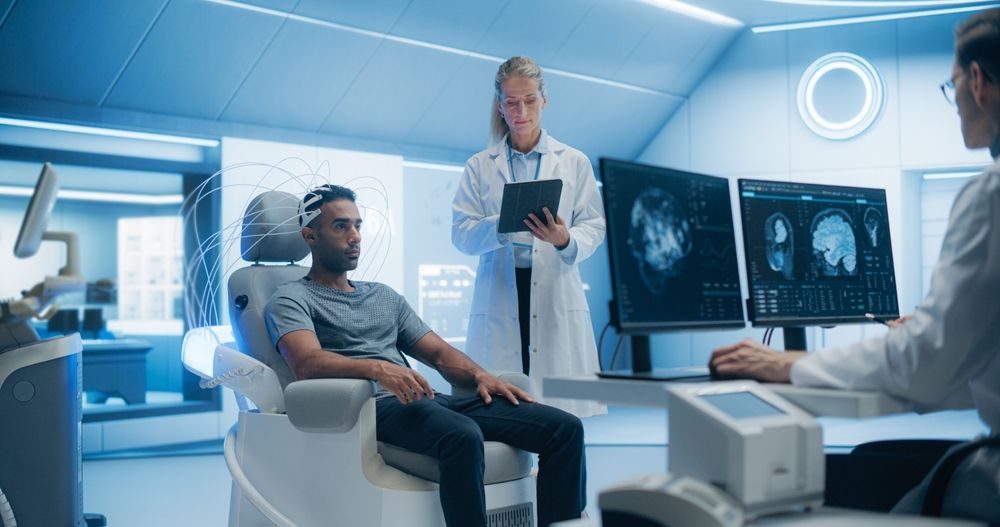
This year marked a significant step in the adoption of remote monitoring and digital biomarkers. Wearable sensors, balance assessment apps, and AI-assisted platforms began moving from research settings into clinical practice. These tools allow for real-time monitoring of activity levels, sleep quality, and even subtle cognitive variations during daily life. Early data suggest that such monitoring can help differentiate between normal recovery patterns and signs of prolonged post-concussion syndrome, enabling timely clinical adjustments.
Telehealth also continued to expand access, particularly for patients in rural or underserved areas. Virtual assessments, when combined with standardized digital tools, provide a credible alternative to in-person visits for monitoring progress and guiding recovery.
Mental Health Integration
A standout theme of 2025 has been the deeper integration of mental health into concussion care. Research continues to affirm that anxiety, depression, and emotional dysregulation are common sequelae of concussion, not merely reactions to the injury experience. As such, screening for these conditions is becoming standard practice rather than an afterthought.
Clinics are increasingly incorporating cognitive-behavioral therapy (CBT), mindfulness-based stress reduction (MBSR), and other evidence-based interventions into recovery plans. This holistic stance acknowledges that brain injury touches every aspect of a person’s life — cognitive, emotional, and social — and that mental health is central to optimal recovery.
Public Awareness and Education
Another notable trend has been the maturation of public discourse around concussion. Awareness campaigns are moving beyond basic symptom recognition to nuanced discussions about risk factors, delayed symptoms, and recovery expectations. Schools, athletic programs, and workplaces are adopting more comprehensive education programs that incorporate up-to-date clinical guidance.
Importantly, this shift isn’t limited to athletes. Recognition of concussion risk in everyday contexts — from winter slips to motor vehicle collisions — is expanding. Public health messaging now encourages people to take any head impact seriously and to seek professional evaluation when in doubt.
Looking Ahead to 2026
Building on these advances, the coming year promises further refinement of individualized care pathways. Expect greater emphasis on predictive analytics — using patient history, injury characteristics, and digital monitoring data to forecast recovery trajectories and tailor interventions accordingly. We also anticipate deeper exploration of neuroinflammatory processes after concussion and potential therapeutic targets that could accelerate healing.
For clinicians and patients alike, the message is clear: concussion care is evolving from reactive treatment to proactive, nuanced, and evidence-based management. If you’re navigating recovery or supporting someone who is, know that there is a growing body of expertise and technology devoted to helping you move forward with confidence.