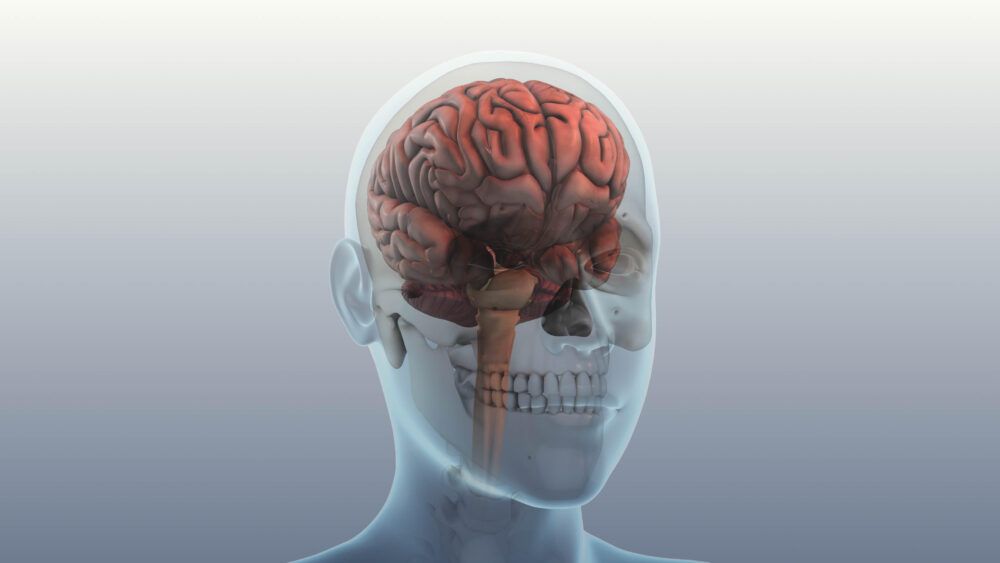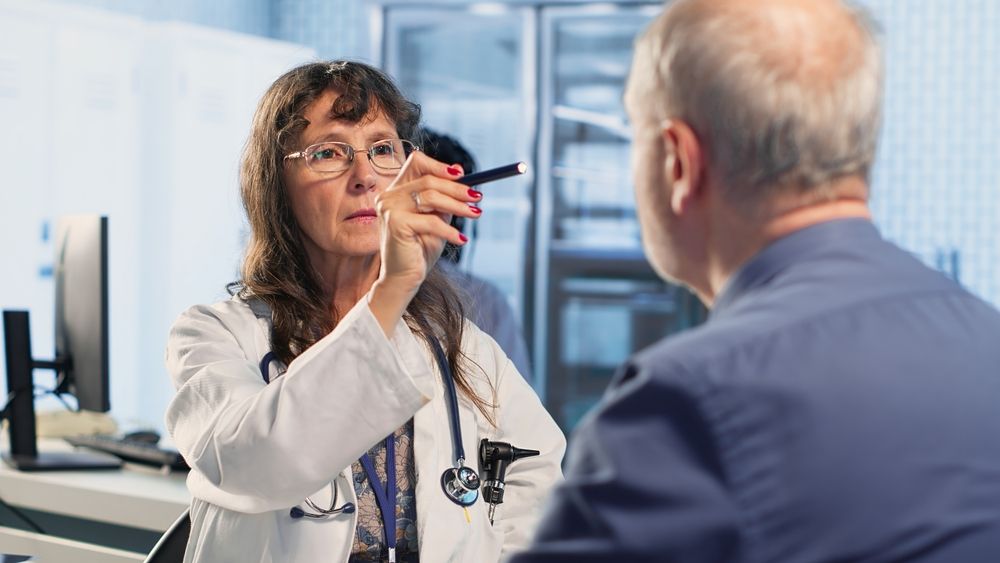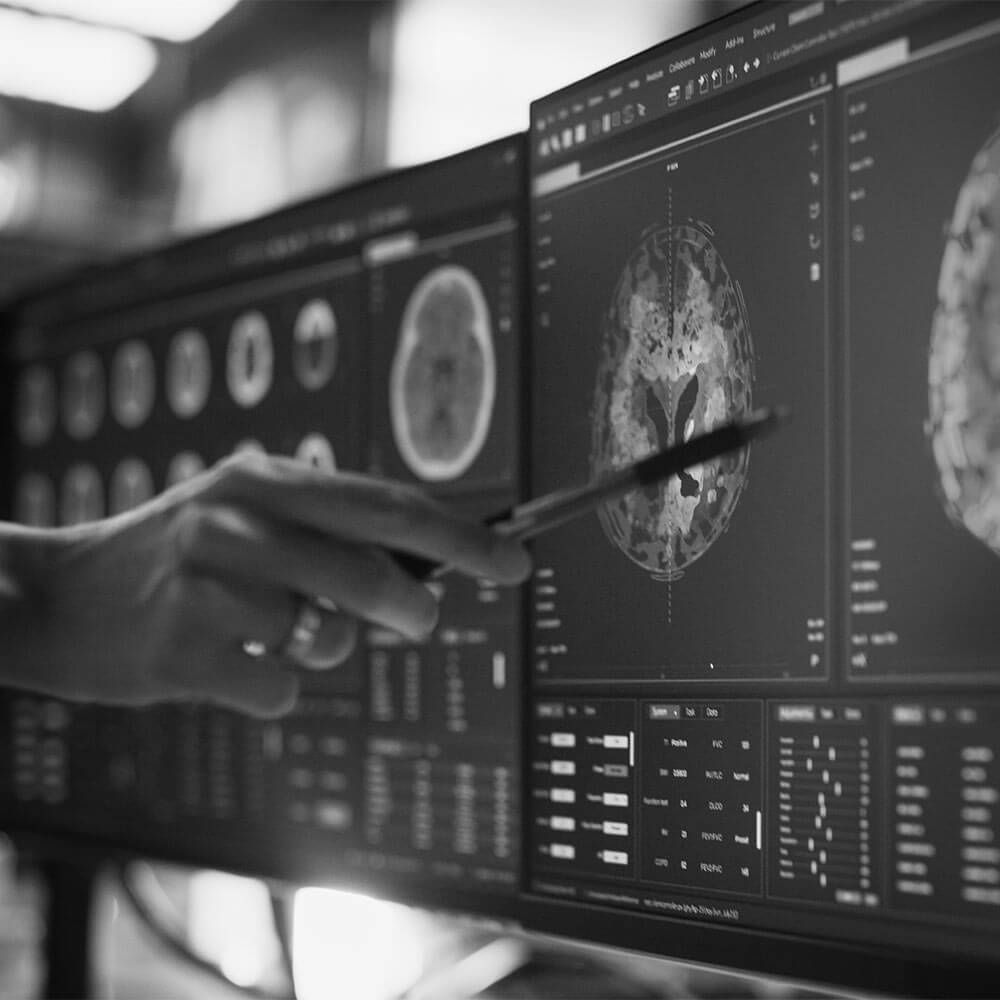
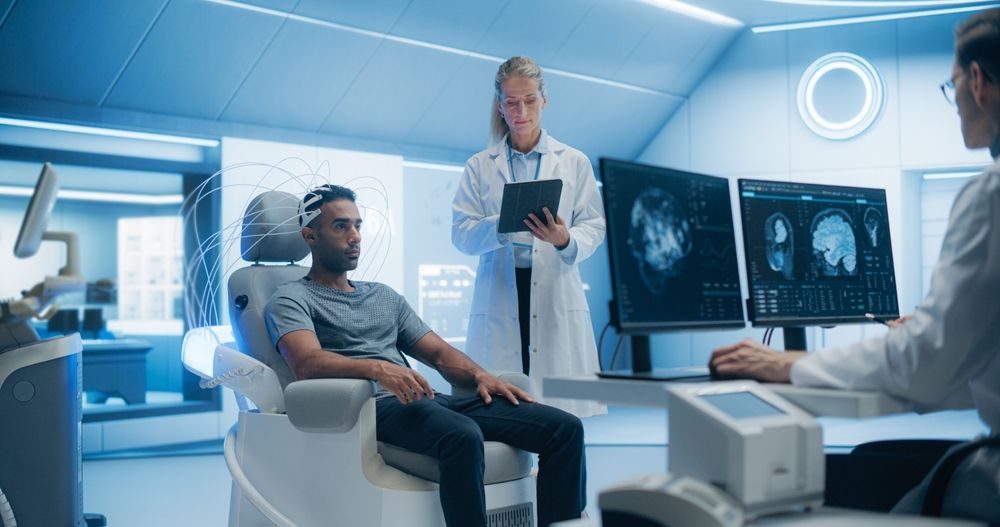
The science of concussion assessment and recovery is rapidly advancing, propelled by innovations in digital technology, neuroimaging, and real-world monitoring tools. As we enter 2026, clinicians and researchers are increasingly leveraging these technologies to refine diagnosis, personalize rehabilitation, and shorten recovery timelines. This post explores key technological frontiers that are reshaping concussion care.
Digital Cognitive and Visual Assessment Tools
Traditional paper-and-pencil assessments remain valuable, but digital platforms are changing the game. Computerized cognitive tests now provide rapid, reliable data on processing speed, memory, attention, and reaction time. These tools often use adaptive algorithms to tailor test difficulty in real time, yielding sensitive measures of subtle cognitive deficits that might otherwise be missed.
Similarly, advanced visual assessment technologies — including eye-tracking software and head-mounted displays — allow clinicians to quantify visual tracking, convergence, and saccadic eye movements. Visual dysfunction is a common but often overlooked contributor to concussion symptoms, and objective metrics provide a clearer picture of underlying issues.
Wearables and Real-World Monitoring
One of the most promising areas of growth lies in wearable technology. Devices that measure movement, balance, heart rate variability, and sleep patterns offer continuous, real-world insights into a patient’s physical state. Unlike snapshot clinical tests, wearables capture data during everyday activities, revealing patterns that may correlate with symptom fluctuations or recovery progress.
For example, alterations in gait stability captured by inertial sensors can signal unresolved vestibular dysfunction, while disrupted sleep cycles may indicate neurophysiological stress. These data streams inform clinical decision-making and enable responsive adjustments to rehabilitation plans.
Remote Monitoring and Telehealth Integration
Telehealth has become a mainstay of concussion care, and its integration with remote monitoring tools enhances clinician visibility into patients’ recovery outside the clinic. Patients can complete guided assessments at home, upload wearable data, and receive feedback in structured virtual visits. This model improves access and continuity of care, particularly for those in geographically isolated areas or with mobility limitations.
Emerging platforms are blending artificial intelligence with clinician oversight to flag deviations from expected recovery patterns. Such systems can alert care teams to potential setbacks, enabling early intervention before symptoms worsen.
Neuroimaging and Biomarkers
Advanced neuroimaging techniques like functional MRI (fMRI), diffusion tensor imaging (DTI), and magnetic resonance spectroscopy (MRS) are providing deeper insights into concussion-related changes in brain connectivity and metabolism. While these modalities aren’t yet standard in every clinical setting, they are invaluable in research and specialized care contexts, particularly for complex or prolonged cases.
Biomarkers — measurable indicators of biological processes — are another area of active development. Blood-based markers of neuronal injury and inflammation may soon offer objective evidence of injury severity and recovery progress. When combined with clinical assessment, biomarkers can help triangulate a more precise picture of brain health.
Virtual Reality (VR) in Rehabilitation
Virtual reality is emerging as a powerful rehabilitation aid. VR environments can simulate controlled cognitive and physical challenges, allowing clinicians to assess and train balance, visuospatial skills, and dual-task performance in a graded, engaging format. Early evidence suggests that VR-based therapy can accelerate recovery by providing immersive, feedback-rich training that targets specific neural pathways.
Data Integration and Personalized Medicine
Perhaps the most transformative trend is the integration of multimodal data — combining clinical assessments, wearable metrics, imaging results, and patient-reported outcomes into comprehensive profiles. Machine learning models can analyze this wealth of information to identify patterns and predict individual recovery trajectories. This approach moves us closer to truly personalized concussion care — where interventions are calibrated to the unique characteristics and needs of each patient.
Ethical and Practical Considerations
While technological advancements are exciting, their implementation raises important considerations. Data privacy, equitable access, and clinician training are critical factors that must be addressed. Technology should augment, not replace, clinical expertise and patient-centered care.
Conclusion
Emerging technologies are expanding our capacity to assess, monitor, and treat concussions with precision and insight that were unimaginable a decade ago. From digital cognitive testing and wearables to advanced imaging and virtual reality rehabilitation, these tools are transforming practice. As we navigate 2026, the integration of technology with compassionate, evidence-based clinical care offers the promise of better outcomes and a deeper understanding of brain injury recovery. If you or someone you care for is facing concussion recovery, engaging with these innovations under expert guidance can make your journey more informed, personalized, and hopeful.