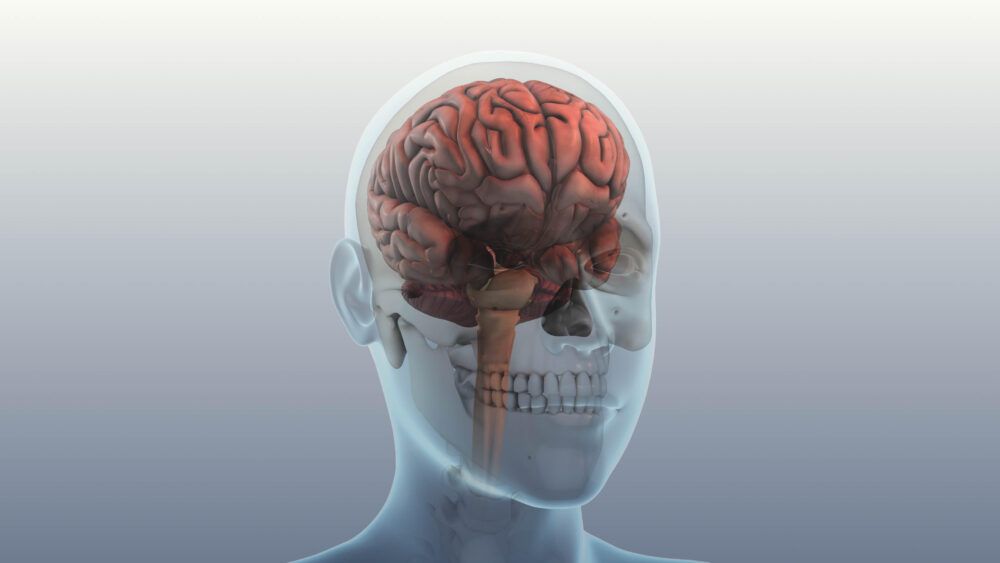
Concussions are among the most common brain injuries, yet they remain surrounded by myths that can delay care or make recovery harder. If you’ve ever wondered whether your symptoms “count” as a concussion, or if you’ve been told to simply “shake it off,” you’re not alone. Understanding the facts is the first step in protecting yourself and healing properly.
One of the biggest misconceptions is that a concussion only occurs if you lose consciousness. In reality, most concussions happen without fainting or blacking out. Another common myth is that symptoms always appear right away. Sometimes, headaches, dizziness, or memory problems don’t surface until hours later—or even the next day. This delayed onset can make people dismiss their injury as “just a bump,” when in fact their brain still needs rest and care.
There’s also a dangerous belief that athletes should return to play as soon as they “feel okay.” In truth, returning too soon puts the brain at risk for worsening symptoms and, in rare cases, severe complications. Recovery is not about toughness—it’s about protecting your long-term brain health. Similarly, some assume concussions always resolve in a week. While many people do recover quickly, others may experience post-concussion symptoms for weeks or months. Every brain heals on its own timeline.
Finally, people sometimes believe that if a CT or MRI scan looks normal, they don’t have a concussion. But most concussions don’t show up on these scans, because the injury happens at the microscopic level of brain cells and connections. That’s why diagnosis relies on a careful evaluation of symptoms and function, not just imaging.
Debunking these myths matters because it changes how we care for ourselves and others. If you or someone you love sustains a head injury, don’t wait for dramatic symptoms to appear—get evaluated, rest as directed, and follow a structured plan for returning to school, work, or sports. Concussions are real brain injuries, and taking them seriously is the best way to ensure recovery.
References
- McCrory, P., et al. (2017). Consensus statement on concussion in sport—the 5th international conference on concussion in sport held in Berlin, October 2016. British Journal of Sports Medicine, 51(11), 838–847. https://doi.org/10.1136/bjsports-2017-097699
- Centers for Disease Control and Prevention (CDC). (2024). Concussion basics. Retrieved from https://www.cdc.gov/headsup/basics/concussion_whatis.html